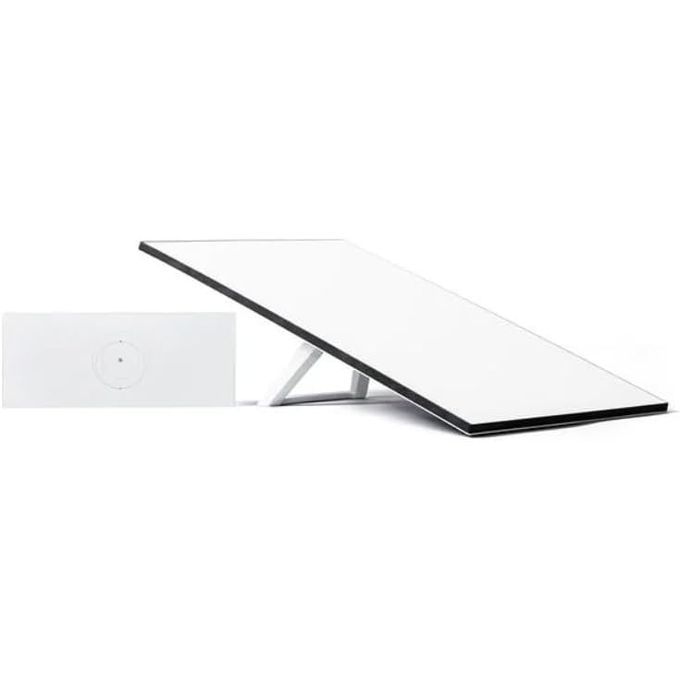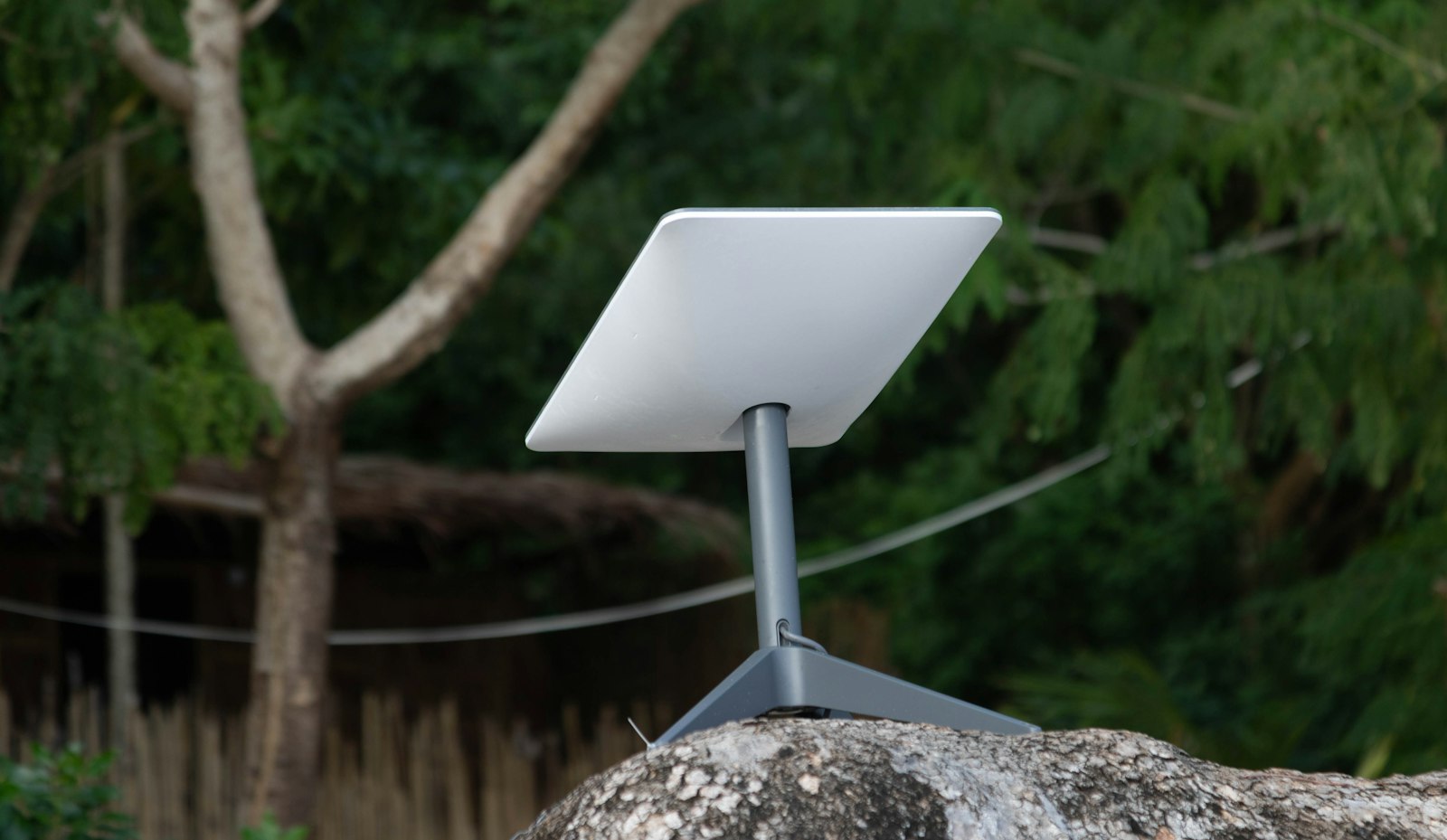
Starlink satellite internet has been available to homes and businesses in Uganda since early September 2026. At launch, the Residential Lite plan (up to 100 Mbps) cost Shs203,704 a month and the uncapped residential plan Shs285,185 a month, with a one-off cost of about Shs1.86 million for the Mini kit or Shs2.3 million for the Standard kit, including the regulator's fee and delivery. You order online at starlink.com and pay by Visa or Mastercard. It is worth it mainly where fibre does not reach; in Kampala and other towns with fibre, local providers are often cheaper.
Ready to buy? You can buy the Starlink kit, mounts and accessories from Deepcode. Our main shop is in Nairobi and we deliver across East Africa: order online on our Starlink shop, and our Kampala team can install it for you in Uganda. For help choosing a kit and mount, see where to buy Starlink in Uganda: kits, mounts and installation.
Starlink in Uganda: timeline, prices and ordering
How Starlink arrived in Uganda
- 15 May 2026: the Uganda Communications Commission and Starlink signed a memorandum of understanding and an operating licence. Uganda became the 28th African country to approve the service. Reports on the licence say it requires a national gateway, a local office and local technical and legal staff.
- 24 August 2026: Paratus Uganda, a joint venture between Paratus Group and Kampala's Roke Telkom, became the first provider to sell Starlink, starting with enterprise customers in mining, health, tourism, NGOs and government.
- 31 August 2026: MTN Uganda also launched Starlink services for business customers.
- Early September 2026: residential orders opened directly on Starlink's website.
Starlink Uganda prices at launch
These are the prices reported when orders opened on 2 September 2026. Starlink changes prices and runs promotions, so check the order page before buying.
- Residential Lite: Shs203,704 per month, unlimited data, speeds up to 100 Mbps.
- Residential (uncapped): Shs285,185 per month. Speeds vary with location, congestion and weather.
- Mini kit: Shs1,306,741, plus a Shs437,036 UCC regulatory charge and Shs115,741 delivery, a total of Shs1,859,518.
- Standard kit: Shs1,743,778, plus the same charges, about Shs2,296,555 in total.
- Roaming and mobile plans: reported at about $55 a month, with some plans around $85.
- Accessories: a Mini wall mount or mesh router at Shs231,481 each, a Mini pivot mount at Shs289,333.
Monthly subscriptions do not include the kit, delivery or regulatory charge.

How to order
- Go to Starlink's official site and enter your address to check coverage.
- Choose a plan and the Mini or Standard kit.
- Pay with a Visa, Mastercard or another accepted international card.
- Delivery was quoted at three to seven working days.
- Or buy the kit from Deepcode instead: order on our Starlink shop and we deliver it from our Nairobi shop anywhere in East Africa, with installation available.
- Set up with the Starlink app, which shows where the dish has a clear view of the sky. The Mini can be installed without a technician; roof mounting or connecting to an office network may need one.
Avoid second-hand or imported kits sold on marketplaces. They are often priced above official rates and may be tied to an account in another country, which can stop them activating.
Starlink vs fibre from MTN and Airtel
Pulse Uganda compared launch prices for similar home speeds in September 2026:
- MTN unlimited fibre: Shs195,000 a month as a one-off monthly payment, or Shs110,000 on an auto-renewal offer.
- MTN 5G router: Shs495,000 a month, subject to a fair usage policy.
- Airtel fibre to the home: from Shs99,000 a month.
- Starlink Residential Lite: Shs203,704 a month, plus about Shs1.86 to 2.3 million upfront.
Comparing prices alone misses part of the picture. Fibre needs a cable to your building, and in many areas outside the main towns that cable is not coming soon. Mobile data covers wider areas, but the outlet noted that many packages carry data caps or slow down after a set volume. Starlink's monthly fee sits within the range of unlimited fibre, but its upfront cost is much higher, so the total over the first year is what you should compare.
The same outlet put typical unlimited fibre plans at Shs200,000 to 350,000 a month and noted that fibre usually has lower latency in towns. In short: if fibre reaches your building, it is generally cheaper to install and faster to respond. Starlink's advantage is coverage where cables do not go.

Who should consider it, and how to set it up
Good fits
- Upcountry businesses: farms, lodges, schools, clinics, factories and construction sites outside fibre areas.
- Offices that cannot afford downtime: Starlink as a second link alongside fibre, so a cable cut does not stop payments, calls or cloud systems. A router that fails over automatically makes the switch without staff noticing.
- Remote CCTV and monitoring: sites where cameras, sensors or access control need to report back to a head office.
- Temporary sites and events: the Mini kit is small enough to move between locations.
Setting it up properly for a business
A home user can unbox a Mini kit and be online the same afternoon. A business needs a little more thought:
- Placement: the dish needs a wide, clear view of the sky. Trees, water tanks and taller buildings cause dropouts. Use the app's obstruction check before drilling anything.
- Cabling and mounting: on a roof or mast, the mount must survive wind and heavy rain, and cable runs should be protected and earthed against lightning, which is common in much of Uganda.
- Your own router and Wi-Fi: the router in the box suits a home. Offices, hotels and schools usually need a business router, proper access points and separate networks for staff, guests and cameras.
- Failover: if Starlink is your backup, configure the router to switch automatically and test it by unplugging the main link.
- Security: change default passwords, keep firmware updated and do not expose cameras or servers directly to the internet.
- Usage monitoring: track how much data each site uses so you can choose the right plan and spot misuse.
Before committing, check power. A dish and router need steady electricity, so many rural sites pair Starlink with solar and a battery or a UPS.
We design and install business networks in Uganda and the region, including dual-link setups that combine fibre and Starlink with automatic failover, Wi-Fi coverage for offices and sites, and remote CCTV through our security and automation service. If you are weighing satellite against fibre for a site, talk to us and we will look at coverage, power and cost with you.
Frequently asked questions
How much is Starlink per month in Uganda?
At launch in September 2026, Residential Lite (up to 100 Mbps) cost Shs203,704 a month and the uncapped residential plan Shs285,185 a month. Check Starlink's site for current prices and promotions.
How much does the Starlink kit cost in Uganda?
Including the Shs437,036 UCC regulatory charge and Shs115,741 delivery, the Mini kit came to Shs1,859,518 and the Standard kit about Shs2,296,555 at launch.
Can I pay for Starlink in Uganda with mobile money?
Launch reports listed Visa, Mastercard and other accepted international cards for orders on Starlink's website. Business customers buying through resellers such as Paratus or MTN should ask them about payment options.
Is Starlink faster than fibre in Kampala?
Not necessarily. Fibre usually has lower latency and is often cheaper where it is available. Starlink is most useful where fibre does not reach or as a backup link.
Can I buy Starlink from Deepcode?
Yes. Deepcode sells the Starlink Mini and Standard kits, mounts, cables and power accessories. Our main shop is in Nairobi and we deliver across East Africa. Order online on our Starlink shop, and our team in Kampala can survey and install it in Uganda.
Is Starlink legal in Uganda?
Yes. The Uganda Communications Commission granted Starlink an operating licence on 15 May 2026. Buy from Starlink or an authorised reseller so the kit activates correctly.
Sources
- Uganda grants licence to Starlink, Advanced Television
- Paratus Uganda Becomes First Provider to Launch Starlink Services in the Country, Space in Africa
- Starlink Is Now Live in Uganda, Space in Africa
- How to order Starlink internet in Uganda, what it will cost, Pulse Uganda
- Starlink goes live in Uganda; price comparisons against MTN, Airtel, Pulse Uganda