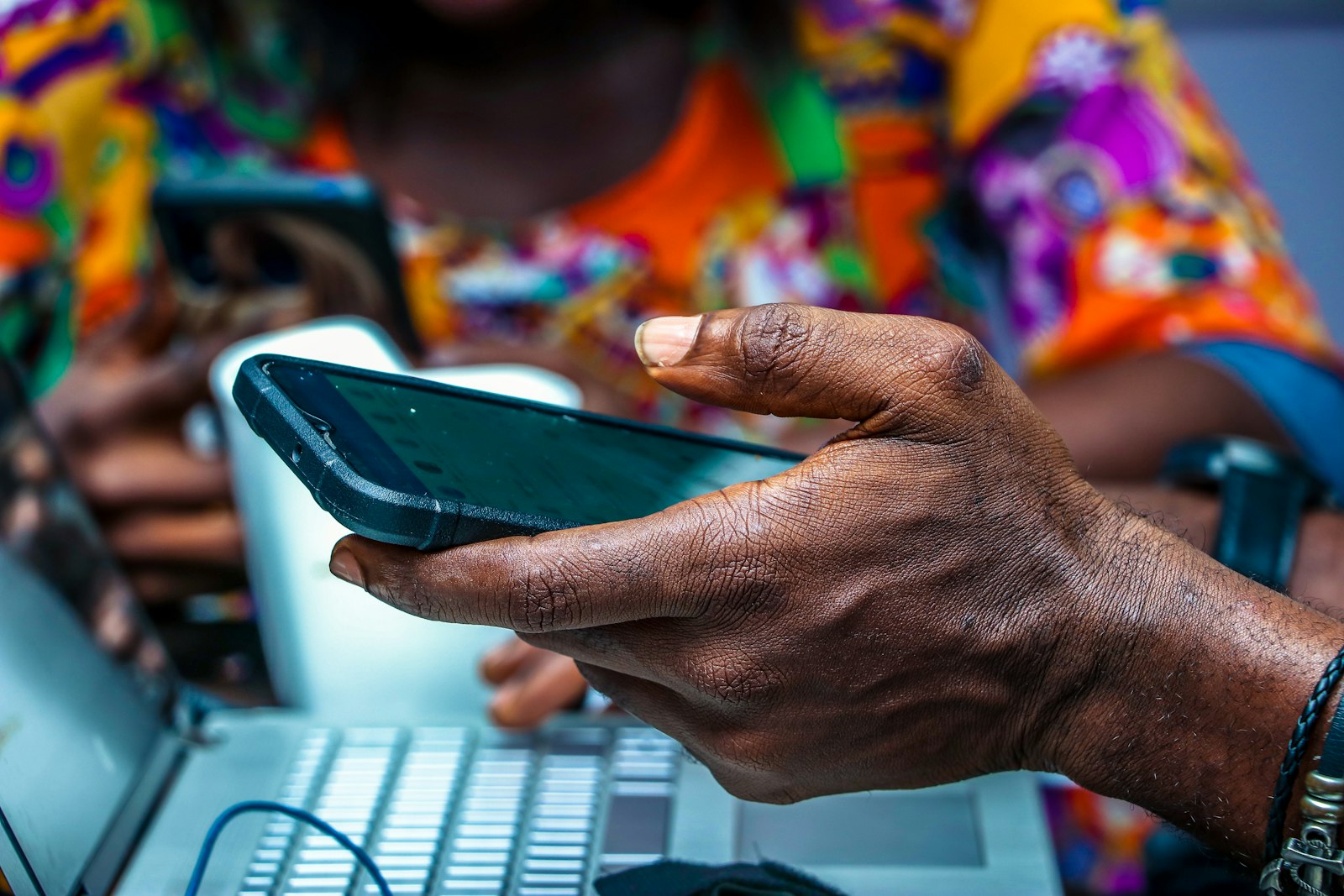
Buying shares in Zambia has usually meant finding a stockbroker, filling in forms and visiting an office in Lusaka. On 18 November 2026 Airtel Zambia launched a service that moves that first step onto the phone. Airtel Money Buy Shares lets customers buy shares in companies listed on the Lusaka Securities Exchange (LuSE) from the MyAirtel app, paying straight from their Airtel Money wallet.
What happened
The service was built with VesteMoney, a Zambian fintech company. According to coverage of the launch, customers can see listed shares and their market prices, place buy and sell orders, and follow how their holdings perform, all inside the MyAirtel app.
The launch drew most of the people who matter in the country's capital market. Present were Crusivia Hichikumba, Permanent Secretary at the Ministry of Industry, who stood in for the minister, along with Securities and Exchange Commission chief executive Phillip Chitalu, LuSE chief executive Nicholas Kabaso, VesteMoney chief executive Phillip Ponya, Airtel Zambia managing director Hussam Baday and Airtel Money country director Kelvin Ndhlovu.
Airtel presented the product as financial inclusion that goes past payments. In its launch statement the company said financial inclusion "should empower people to own, invest and grow." The ministry's message was similar: more Zambians should share in the returns from growing companies, and listed businesses should have a wider pool of investors to raise money from.
Some details are still missing. Neither Airtel nor VesteMoney has published the fees, the minimum amount you can invest, or how shares are settled and held in custody. Reports also differ on whether every listed company is available from day one.

Why it matters for businesses in Zambia
Mobile money is already the main way Zambians move money. The FinScope Zambia 2025 survey, published in April 2026, found that 76.1% of adults use mobile money. The same survey found that 13.8% of adults use capital market products, up from 0.6% in 2020. Putting share purchases inside a wallet that most adults already hold could push that second number higher.
LuSE is a small exchange. It had about 20 listed companies and a combined market value of roughly US$9.8 billion as of April 2025. The exchange's own mobile trading app had 46,166 registered users in May 2026. Airtel Zambia reports a customer base of about 12.5 million, so even a small share of those customers trying the service would change the size of the retail investor base.
Zambia is following a pattern seen elsewhere in the region:
- In Kenya, Safaricom launched Ziidi Trader inside M-Pesa in February 2026 for trading Nairobi Securities Exchange shares.
- In Uganda, MTN MoMo added a mutual fund product in April 2025.
- In Ghana, MTN used its MoMo wallet in 2018 to take retail subscriptions for an IPO.
For Zambian companies this matters in two ways. Firms thinking about a listing, including on LuSE's Alt-M board for smaller companies, may find it easier to reach individual investors. And businesses that build financial products now have one more example of a mobile wallet being used for something other than sending money, airtime and bill payments.
What to do next
If you are an individual thinking of using the service, wait for the published fee schedule and read it. Shares can fall as well as rise, and they are not a short-term savings account. Check who holds your shares and how you can sell them before you put money in.
If you run a fintech, a SACCO, an insurer or a lender, look at how this was built. The pattern is a licensed specialist (VesteMoney) plugged into a large wallet (Airtel Money) through an app the customer already trusts. The same model works for savings products, insurance premiums, school fees and invoice payments. The hard parts are the integration with the wallet provider, reconciliation and the regulatory paperwork, not the screens.
If you are a listed company or planning to list, think about how you will talk to thousands of small shareholders who bought through a phone. Clear announcements on your website and investor pages that work on mobile become more important when your shareholders find you through an app.
Deepcode Innovations builds mobile apps, payment integrations and back-office systems for businesses in East and Southern Africa. If you want to connect your product to mobile money or build a customer app around it, our software and app development team can help scope it, and you can read more about our work in Zambia.
Sources
- Airtel Zambia Launches Mobile Service for Buying Lusaka Securities Exchange Shares, TechAfrica News
- Airtel Zambia targets retail investors with new mobile trading service, Innovation Village
- Zambia's Airtel Launches Mobile Money Service for Stock Market Investments, Ecofin Agency
- Airtel launches platform to allow Zambians to buy shares using mobile money, News Diggers